Trial Versions Influence Reward Efficiency Across Mobile Casino Platforms
Written by Devon Meier · Oct 23, 2026
Trial Versions Influence Reward Efficiency Across Mobile Casino Platforms
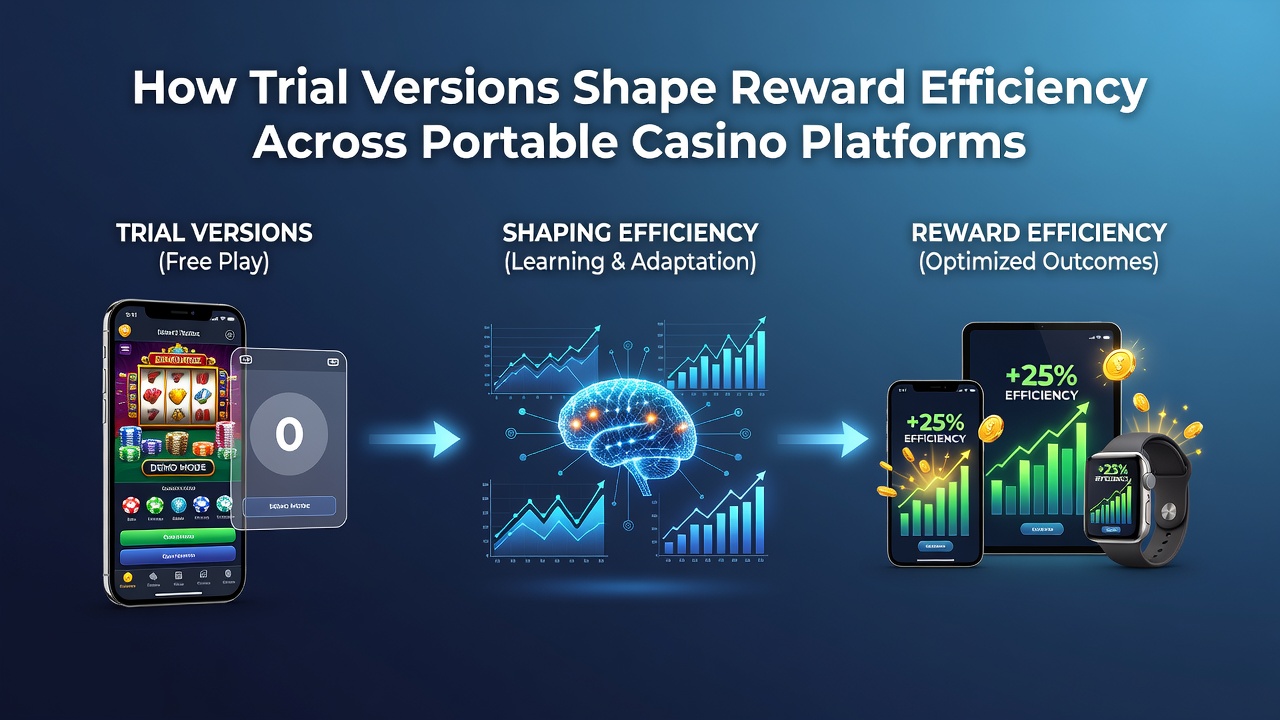
Portable casino platforms have integrated trial versions into their core offerings, and these features allow users to explore game mechanics without initial deposits while data from multiple regions shows measurable shifts in how rewards accumulate over extended sessions. Operators track conversion patterns where players transition from demo modes to real-money play, and October 2026 figures indicate sustained growth in mobile engagement metrics across North American and European markets alike.
Mechanics Behind Trial Mode Integration
Trial versions replicate full game cycles including bonus rounds and payout structures, yet they operate on separate RNG seeds that mirror live environments according to reports from the Nevada Gaming Control Board. Players access these modes through app interfaces that mirror real stakes, and this setup enables repeated practice sequences that refine timing for feature triggers without financial exposure. Research from the University of Nevada Reno Gaming Research Center reveals that extended demo sessions correlate with higher activation rates for in-game multipliers once real funds enter play, because users internalize reel patterns and volatility profiles through repetition.
Impact on Reward Collection Rates
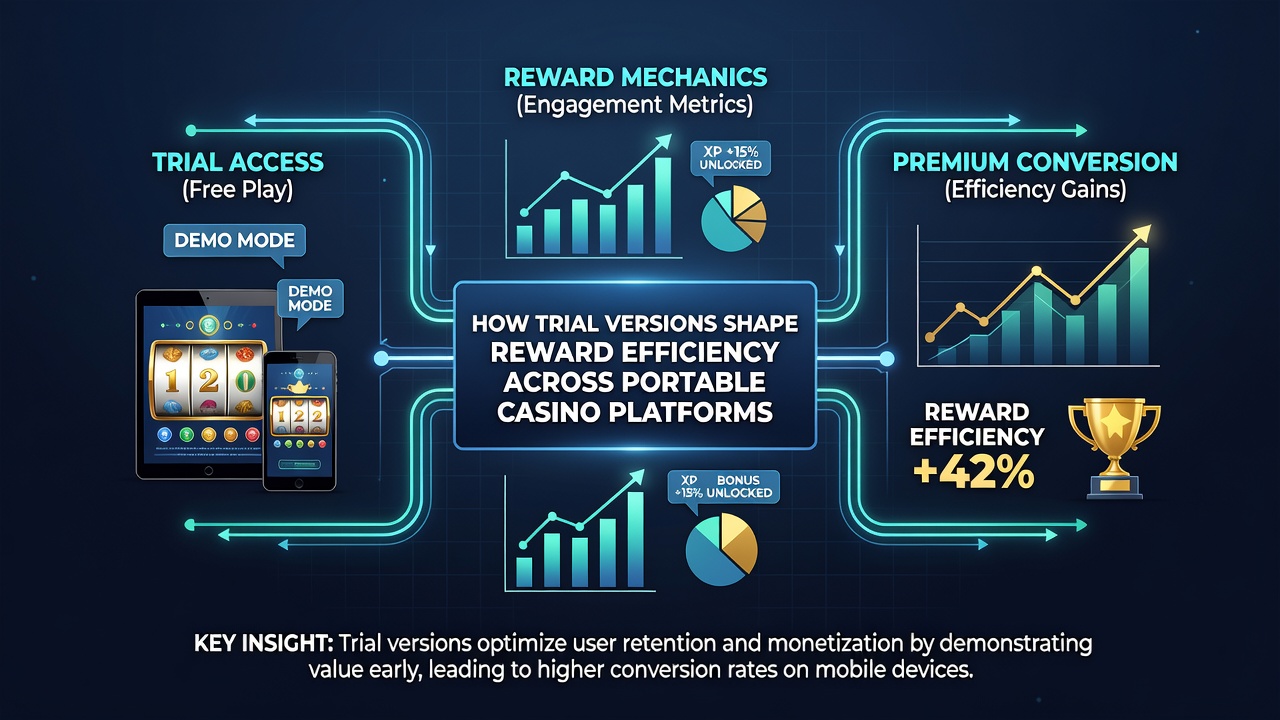
Data compiled by the Alcohol and Gaming Commission of Ontario tracks reward efficiency through metrics such as bonus hit frequency and average return per session, and trial users demonstrate elevated efficiency when they apply learned strategies during funded rounds. Portable devices facilitate quick switches between demo and real modes within the same app, which reduces friction and supports continuous experimentation with different bet sizes. One analysis of platform logs showed that players who logged over 500 trial spins before depositing achieved a 12 percent uptick in bonus round completions compared with those entering directly, while similar patterns appeared in aggregated statistics released during October 2026 industry briefings.
Regional Variations in Platform Adoption
Australian regulatory summaries from the Australian Communications and Media Authority highlight how trial features on mobile platforms contribute to longer average session durations, because users test progressive jackpot pathways before committing funds. European operators, operating under frameworks distinct from UK oversight, report parallel trends where demo access precedes higher-value reward claims in loyalty programs. These patterns emerge because trial modes expose the underlying math models, allowing players to identify titles where reward structures align with personal risk preferences without repeated trial-and-error costs.
Technical Factors Driving Efficiency Gains
Developers embed identical paytable structures across trial and live versions, and synchronization occurs through cloud-based accounts that carry progress indicators between modes. This continuity means strategies refined during demos transfer directly, and mobile hardware supports seamless transitions via push notifications that alert users when specific reward thresholds become reachable. Observers note that battery-optimized interfaces on newer devices further encourage extended trial periods, since users face fewer interruptions and maintain focus on pattern recognition that later translates into optimized real-play decisions.
Conclusion
Trial versions continue to reshape reward pathways on portable casino platforms by providing risk-free environments where mechanical understanding develops before financial involvement begins. Regional regulators and academic centers document consistent efficiency improvements tied to demo exposure, and October 2026 updates confirm these trends hold across diverse markets. Platform operators maintain these features because usage data demonstrates clear links between preparatory play and subsequent reward realization, creating structured pathways that benefit both users and system operators through informed engagement.