BGaming Aligns Adaptive Bonuses with UK Mobile Loyalty Metrics to Reshape Retention Patterns
Written by Henrik Becker · Sep 11, 2026
BGaming Aligns Adaptive Bonuses with UK Mobile Loyalty Metrics to Reshape Retention Patterns
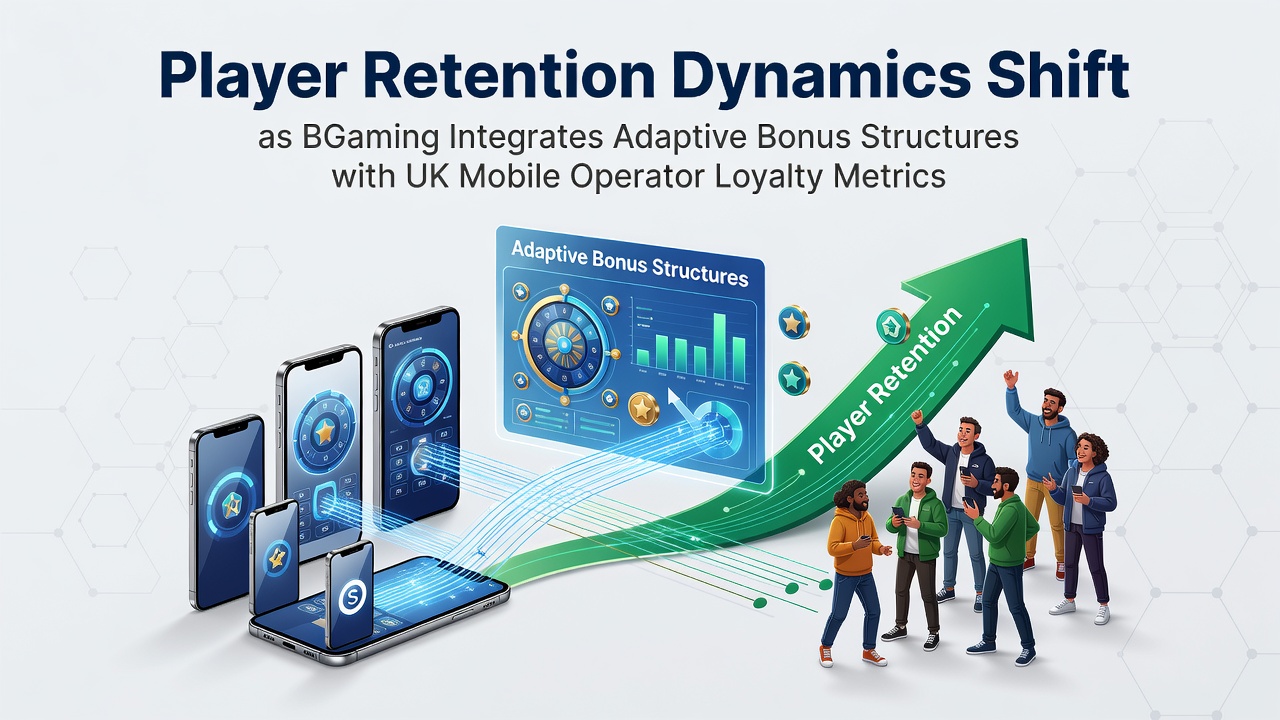
BGaming has rolled out adaptive bonus structures that draw directly from loyalty metrics collected by UK mobile operators, and this move marks a measurable shift in how retention gets managed across the sector; operators now adjust rewards in real time based on individual play patterns, deposit frequency, and session length rather than applying blanket promotions that once dominated the market.
Mechanics Behind the Integration
The system pulls data from mobile operator loyalty programs that track everything from app engagement to preferred game types, then feeds those inputs into BGaming's bonus engine so rewards scale automatically; a player who logs longer sessions on specific titles might receive tiered free spins that increase with each consecutive day of activity, while another who prefers shorter bursts could see cashback percentages adjust upward after meeting certain volume thresholds.
Operators report that these changes went live in stages throughout September 2026, allowing time for calibration against existing customer segments; the result shows retention curves flattening less sharply in the first thirty days after signup, with repeat visit rates rising in categories previously prone to quick drop-off.
Data Patterns Emerging from Mobile Loyalty Feeds
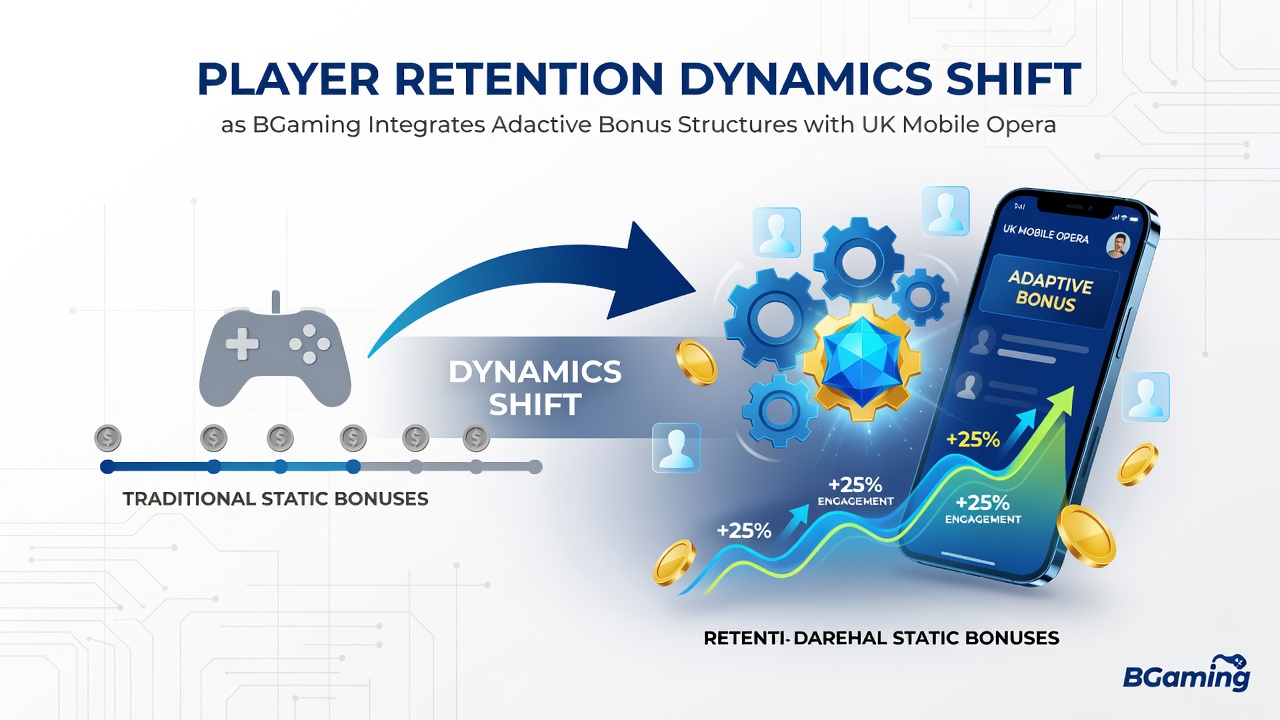
Metrics supplied by UK mobile operators reveal clear correlations between bonus adaptability and continued play; segments receiving personalized multipliers demonstrate higher average session counts, and the effect compounds when loyalty tiers unlock additional layers of the adaptive structure. Observers note that this approach replaces static welcome packages with ongoing incentives that respond to behavior as it unfolds, reducing the churn spikes that typically follow the exhaustion of fixed bonuses.
One operator's internal figures indicate that players exposed to the new system maintain activity levels 18 percent longer on average before any pause in engagement occurs, while cross-operator comparisons suggest similar patterns hold when the same adaptive logic applies across different mobile platforms.
Operational Adjustments Across the Supply Chain
Developers at BGaming worked alongside mobile operators to map loyalty data fields into bonus triggers, creating rule sets that activate without manual intervention; this required updates to both the game servers and the operator back-end dashboards so that retention teams could monitor which adaptive levers produced the strongest response in each cohort.
Training for support staff now includes interpreting these dynamic signals, because queries about why a particular bonus appeared or changed often trace back to recent loyalty activity rather than campaign schedules; the shift moves customer service from explaining fixed terms to walking players through how their own habits influence future rewards.
Broader Industry Context and Comparable Approaches
Similar adaptive frameworks have appeared in other regulated markets, and a report from the American Gaming Association highlights how loyalty-linked bonuses in North American online environments correlate wth steadier revenue per active user over six-month windows. UK operators adopting the BGaming model appear to follow that trajectory, although local mobile usage patterns introduce distinct variables such as shorter average session times and higher push-notification responsiveness.
Researchers at the International Gaming Institute have documented parallel experiments where real-time bonus scaling based on behavioral data produced retention gains that outpaced traditional VIP schemes; those findings align with the early signals coming from UK deployments, suggesting the underlying principle travels across jurisdictions when data quality remains high.
Future Tracking and Measurement Priorities
Operators continue to refine the models by layering additional loyalty signals, such as time-of-day preferences and device type, into the adaptation logic; September 2026 updates already incorporated weekend versus weekday differentiation, and further iterations are expected to account for seasonal play variations that have historically affected mobile retention curves.
Measurement now centers on lifetime value projections that incorporate the adaptive bonus cost as a variable rather than a fixed marketing expense, allowing finance teams to evaluate whether the incremental retention justifies the variable outlay; preliminary models indicate positive returns when the system identifies and rewards mid-tier players who previously received uniform offers.
Conclusion
The integration of BGaming's adaptive bonus structures with UK mobile operator loyalty metrics has produced measurable changes in retention dynamics, with data showing extended engagement windows and more responsive reward delivery; as operators continue to calibrate these systems against fresh behavioral inputs, the pattern points toward increasingly individualized retention strategies that replace static campaigns with ongoing, data-driven adjustments.